
What are crowded teeth?
There are many ways that your smile can fall short of your expectations, and crowding is one of them. Crowded teeth can cause both aesthetic issues and health issues, so treatment is incredibly important. Invisalign is one treatment option that stands out in terms of results, convenience, and experience.
Crowding is one specific type of malocclusion, or alignment issue, that can affect the teeth. It occurs when some or all of your teeth are too close together, resulting in the teeth pressing against each other.
Ideally, your teeth should be aligned in a way where they touch each other but don’t exert pressure. However, it’s common for crowding and gaps to occur, leaving you with a crooked smile.
Dental crowding is often due to genetic factors like the size of your jaw and the natural positioning of your teeth. Other factors can also contribute to crowding, including losing baby teeth prematurely or having abnormal tooth growth.
Crowded teeth push each other into misaligned positions and can even cause teeth to rotate. You might experience jaw pain, discomfort when biting and difficulty brushing and flossing.
However, crowding is a common issue that can be resolved with routine orthodontic treatment. Your dentist can recommend Invisalign, braces, and other interventions to set your smile straight again.
Invisalign for Crowded Teeth
Invisalign is an effective alternative to traditional metal braces that can treat most normal orthodontic cases in tweens, teens, and adults. Patients get a reliable solution for their misaligned teeth with a greatly improved treatment experience.
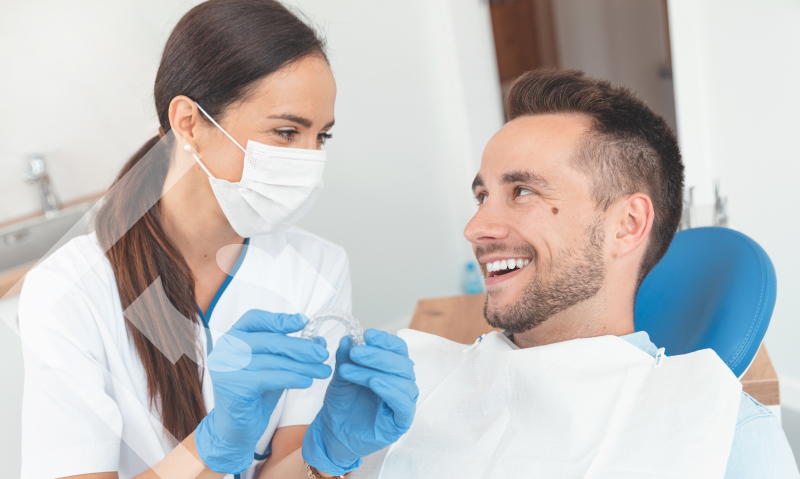
The treatment uses clear aligners to exert steady pressure on your teeth, guiding them into place over time. The basic principle is similar to the way braces work, but the aligners are practically unnoticeable, and you can remove them to eat meals and brush your teeth.
Invisalign can’t do everything that braces can, but the treatment does deliver optimal results in a wide range of cases. Invisalign is an option that can straighten teeth affected by crowding and resolve your crooked smile. The same is true for fixing the spacing of your teeth, as it can close gaps as well.
The clear aligners are also suitable for a range of bite issues that would have traditionally required braces. Overbites and underbites are both common types of malocclusions that Invisalign can treat in most cases. Invisalign is versatile but isn’t always the right option in complex or irregular situations.
Finding Out Whether Invisalign Is Right for You
As with most other dental issues, determining whether an individual patient can benefit from Invisalign treatment requires a consultation with a dentist. Not every treatment is right for everyone, and there may be other issues at hand that require additional treatment.
If you’re experiencing dental issues like jaw pain or difficulty chewing, you can reach out to your dentist to find out what’s causing them. They’ll be able to determine whether crowding or another type of malocclusion is a factor and can tell you if Invisalign will be able to provide effective treatment.
In cases where both Invisalign and traditional braces are viable options, you can discuss your personal needs and preferences. Patients of all ages tend to prefer Invisalign for its inconspicuous appearance and comfortable treatment process.
If you’re seeking out Invisalign treatment because you aren’t fully satisfied with your smile, your dentist may be able to provide other cosmetic treatment options. By working closely together, you’ll be able to develop the perfect treatment plan that addresses your individual needs.
The Benefits of Invisalign
Choosing Invisalign for crowded teeth can provide you with a range of benefits during and after your treatment. Of course, results are incredibly important, and Invisalign delivers consistent results for many types of malocclusion, including underbite and overbite, gaps, and crooked teeth.
Depending on the specifics of each patient, Invisalign treatment can be faster than traditional braces. Treatment with metal braces usually lasts from 24 to 26 months. Invisalign treatment generally takes 12 to 18 months, with some minor issues taking just six months to resolve.
During your treatment, you’ll also enjoy the inconspicuous appearance of Invisalign. The clear plastic aligners are practically invisible, delivering even better aesthetics than clear ceramic braces.
Finally, throughout your treatment, you’ll be able to remove your clear aligners as needed. You won’t have to worry about avoiding popcorn and other specific foods like you would with braces. You can simply remove the aligners for the brief time that you need to eat and finish your brushing and flossing routine.
Get the smile of your dreams.
If you’re considering Invisalign treatment, you can schedule a consultation with Dr. Desai at Luminous Smiles to find out whether Invisalign or other treatment options are right for you. Just contact us today to get started.