When you aren’t getting a good night’s sleep, you want nothing more than to fix the problem. Waking up sleepy is just no fun, and there’s more to it than feeling tired and cranky. A poor night’s sleep can affect your concentration and memory. It can also increase your stress and blood pressure. What is it that is keeping you from waking up feeling rested?
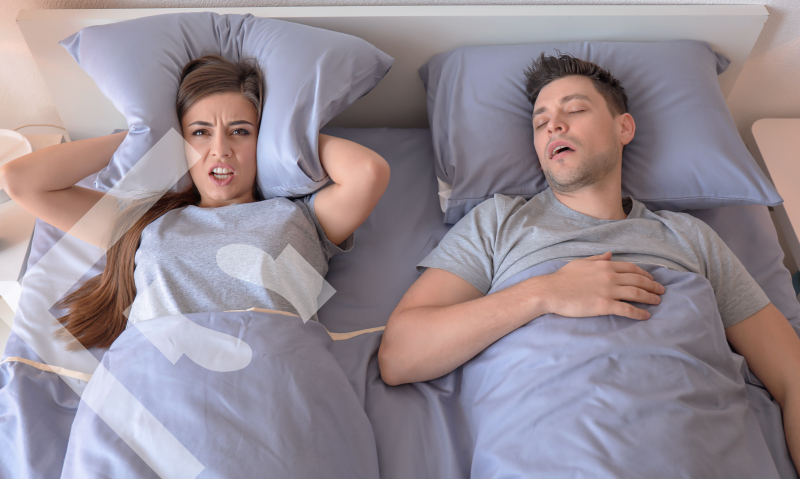
These days, we’re seeing more and more about sleep apnea, and you may wonder if that is the culprit. And, you may have caught yourself snoring, or your sleep partner has shared with you that you are sawing timbers all night long. Are snoring and sleep apnea keeping you awake? And are they related? In this article, we’ll break it all down for you.
Understanding the similarities and differences between snoring and sleep apnea.
Many people mistakenly believe that if you have sleep apnea, you must be a snorer. Conversely, isn’t it safe to assume that if you are snoring, you also have sleep apnea? Well, not exactly. So, before we get into how you can seek treatment to help get a better night’s sleep, let’s break down the causes of snoring and sleep apnea, as well as the similarities and differences.
What causes snoring?
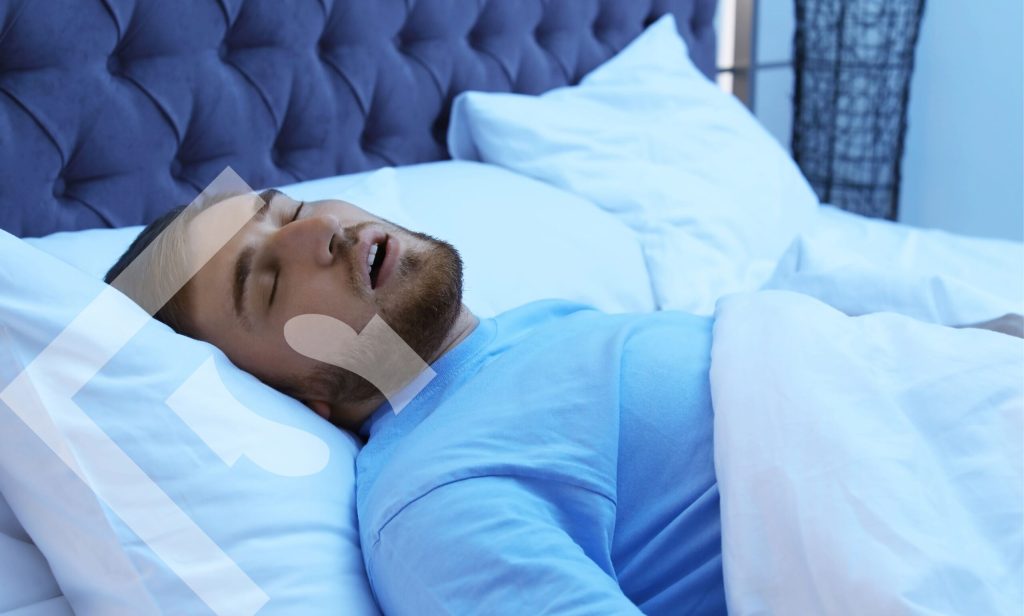
Snoring happens when air flows through the mouth and nose during sleep, causing the tissues in the airway to vibrate. Several factors can lead to snoring, including the anatomy of your mouth and sinuses. For example, enlarged tonsils or a low, thick, soft palate can narrow your airway, making it more likely that snoring will occur. Nasal congestion, whether from a cold or allergies, can also obstruct airflow and contribute to snoring.
Other common causes include lifestyle factors, such as alcohol consumption, which can relax the muscles in your throat, or sleep position—those who sleep on their backs may experience more frequent snoring due to gravity affecting airway relaxation. While snoring itself isn’t always a problem, it can disrupt your sleep and that of your partner. In some cases, it may be a sign of a more serious condition like sleep apnea, which requires further evaluation from your primary care physician.
What is sleep apnea?
Now that we understand what causes snoring, let’s explore what sleep apnea is and the potential contributors. This condition is classified as a sleep disorder where your breathing starts and resumes multiple times throughout the night. These pauses in breathing may last longer than 10 seconds and may occur more than five times an hour.
When breathing stops, your body and brain don’t get enough oxygen, which can lead to interrupted sleep, brain fog, daytime fatigue, and even serious health issues if left untreated. There are two main types of sleep apnea: obstructive sleep apnea (OSA), which is more common, and central sleep apnea, which involves the brain not sending proper signals to control breathing.
Several factors contribute to sleep apnea, including:
- Obstructed airway: The muscles in the throat relax too much during sleep, causing the airway to collapse or become blocked.
- Excess weight: Fat deposits around the upper airway can obstruct breathing.
- Nasal congestion: Chronic nasal issues or a deviated septum can make it harder to breathe, contributing to sleep apnea.
- Aging: As you get older, muscle tone in the airway may decrease, making sleep apnea more likely.
- Family history: Sleep apnea tends to run in families, suggesting a genetic link.
- Alcohol or sedative use: These substances relax the muscles in your throat, increasing the likelihood of airway obstruction during sleep.
If you snore, do you have sleep apnea?
You probably noticed that we mentioned obstruction when we talked about snoring as well as when we talked about sleep apnea. So, does this mean that these two conditions are related? For example, if you snore, are you more likely to have sleep apnea? And vice versa?
While snoring and sleep apnea both involve airway obstruction, they are not always connected. Snoring can occur on its own without the more serious condition of sleep apnea. However, if you snore regularly and experience additional sleep apnea symptoms such as pauses in breathing, gasping for air, or excessive daytime fatigue, it’s worth considering that sleep apnea may be a factor.
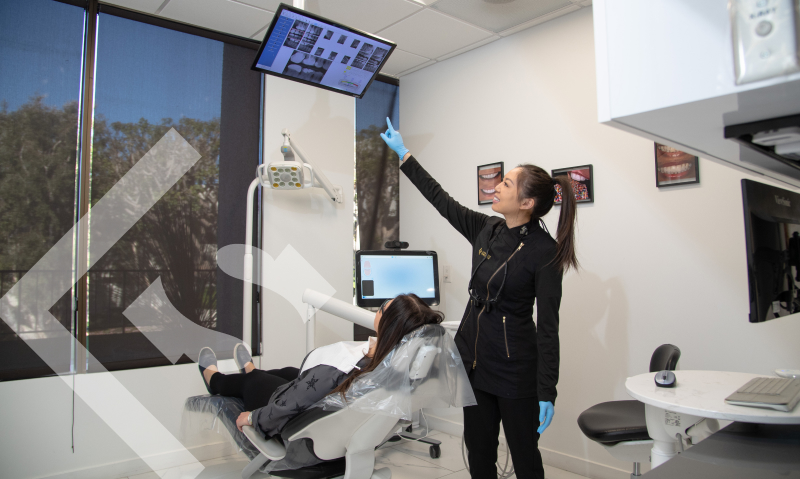
Not everyone who snores has sleep apnea, but snoring can be a red flag for those at risk. If you’re concerned about how to stop snoring or suspect that sleep apnea might be affecting your sleep, it’s a good idea to consult a professional. A dentist in Newport Beach, like Dr. Desai at Luminous Smiles, can help assess your symptoms and recommend you seek an official diagnosis by a sleep specialist. They can also offer personalized treatment options to address both snoring and sleep apnea.
When to seek treatment for snoring and sleep apnea.
Whether it’s snoring or your sleep apnea that is keeping you from sleeping, treatment is possible. One of the most popular treatments for sleep apnea happens to be the CPAP machine, which provides continuous air through a face mask while you are asleep.
However, many people find the CPAP machine to be obtrusive. In these cases, you should talk to your Newport Beach dental team to understand how a mouth guard can help. And Dr. Desai is the best dentist to help you with a custom, oral appliance.
Dr. Desai is not only an expert in cosmetic dentistry and sleep apnea treatment but also the only female American Academy of Cosmetic Dentistry–accredited doctor in Newport Beach. Her approach goes beyond just treating the condition—she focuses on building personal relationships with her patients to offer the best care possible.
Request a consultation with Dr. Desai today.
At Luminous Smiles, we offer far more than general dentistry. We’re here to support you in all of your oral health needs. If you are waking up tired and have received a sleep apnea diagnosis from your doctor, it’s time to request a consultation with Dr. Desai for the next phase of your treatment. Contact our team today.