
Curious about composite bonding? Read on for the answers to FAQs.
Composite bonding is a procedure in cosmetic dentistry that helps enhance your natural smile. Most people have heard about dental bonding, but many are uncertain of the results it offers. At Luminous Smiles, we’ve gathered five of the most frequently asked questions about composite bonding to help you decide whether it’s right for you.
1. What is composite bonding?
Composite bonding is a cosmetic dental procedure that uses tooth-colored composite resin to repair chips and cracks, change the shape of a tooth, or even close gaps. It’s an excellent choice if you have tooth discoloration issues as well.
Composite bonding material is made of resin and crushed glass, and it’s available in multiple shades. This allows us to match the resin to the rest of your teeth. Composite bonding is a truly versatile material that can fill in cavities, replace old silver dental fillings, and even make a tooth longer.
One of the benefits of composite bonding is it’s a minimally invasive procedure. It doesn’t require a long preparation process or the removal of enamel, as is necessary even with veneers.
2. How does composite bonding work?
Before the bonding procedure starts, your cosmetic dentist will select the shade of resin that best matches the rest of your teeth and then begin preparing your tooth. To do this, they will roughen the surface of the tooth and apply a conditioning liquid. These two steps make the bonding material adhere to your tooth more easily.
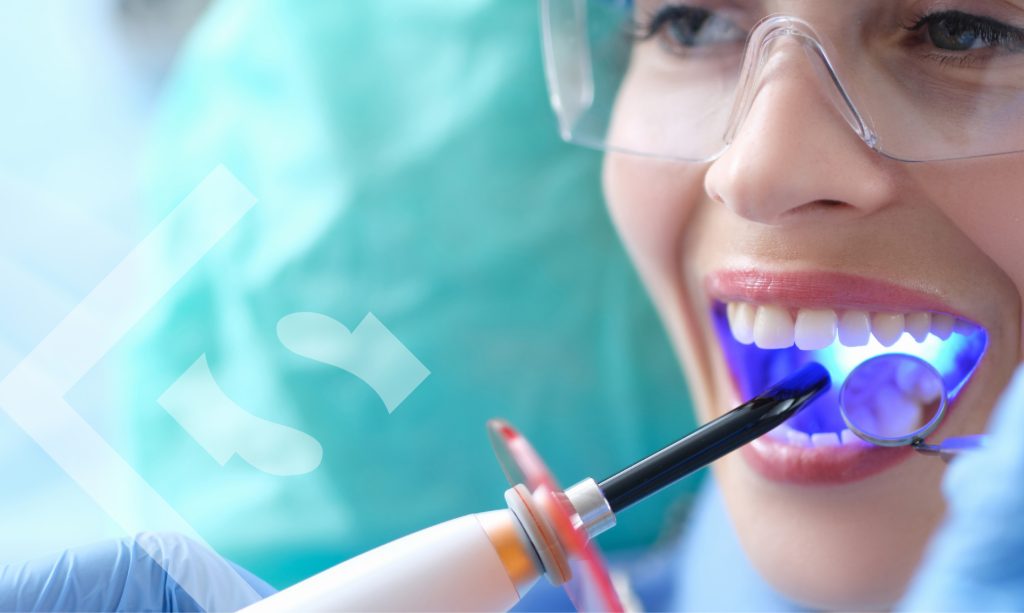
The next step is to apply the putty-like material, molding it and smoothing it to the right shape. Your dentist will then harden the resin using a special curing light, bonding it to your tooth. To finish, your dentist will polish the tooth, so it has a natural-looking shine. The procedure can take anywhere from 30 to 60 minutes.
3. Who can benefit from composite bonding?
Composite bonding is a great option for cosmetic issues that fall under the purview of smile design dentistry. It can help to:
- Conceal tooth discoloration
- Conceal cracks or chips in your teeth
- Make a tooth appear longer
- Change the shape of a tooth
- Close gaps between teeth
The resin used for composite bonding is also helpful for dealing with minor restorative procedures. It can be a good choice for filling cavities and even protecting a tooth root that gum recession has exposed.
4. How long does composite bonding last?
Bonding material usually lasts anywhere between three and 10 years before you need to get it replaced. Your oral habits and how you care for the bonding have the most impact on its longevity.
To help composite bonding last as long as possible, you should treat it like your natural teeth. This means you want to brush and floss as you normally would. Brush twice a day, and use a soft-bristled brush and fluoride toothpaste. Floss once a day to remove food particles or plaque your brush may not have been able to reach.
Avoid bad habits, like chewing on hard objects like ice or pen caps. If you tend to bite your nails, break yourself from that habit because it can damage not only your composite bonding but the rest of your teeth.
Make sure to drink lots of water. Water keeps your saliva production at healthy levels, and that helps neutralize acids that harm your enamel.
Your dental bonding can get stained, just like your teeth. To avoid changes in color, decrease your intake of drinks and foods that stain, including red wine, coffee, and more. If you smoke, quitting is the best thing you can do for your bonding—and your overall health.
5. Is composite bonding reversible?
Composite bonding is reversible. This is because the procedure is an additive treatment and doesn’t require removing any enamel from the tooth, as is necessary when getting dental crowns, veneers, or other restorative procedures.
To remove it, your dentist will use a special type of sandpaper that they place on a rotating disk and then use the disk on the bonding material. If you decide to get veneers or if there’s chipping or cracking in the bonding material, you may need to remove it.
Perfect your smile today with composite bonding.
If you have dental imperfections that keep you from really loving your smile, composite bonding may be the right solution for you. It offers quick results that are long-lasting and natural-looking, all using a minimally invasive procedure. At Luminous Smiles, you can get treatment from a leading cosmetic dentist in Newport Beach. With an expert at your side, you’re able to achieve the smile you’ve always wanted. Contact Luminous Smiles to schedule an appointment.